
Tendinopathy treatment: Expert care for persistent tendon pain
If you’re struggling with ongoing tendon pain in your Achilles, knee, shoulder, or elbow, you may be dealing with tendinopathy.
At Back to Best Injury and Rehabilitation Clinic, we specialise in evidence-based treatment for tendinopathy, helping active individuals and everyday patients return to sport, work, and everyday life safely and confidently.
What Is Tendinopathy?
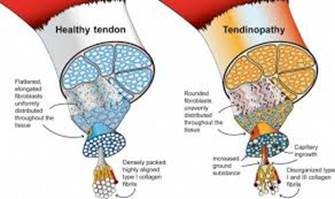
A tendon is a strong band of connective tissue that attaches muscle to bone. It transfers force, allowing your joints to move efficiently.
Tendinopathy occurs when a tendon becomes irritated and painful due to overload.
Despite the term “tendinitis,” most long-lasting tendon pain is not primarily inflammatory. Instead, it develops when the tendon is exposed to more stress than it can currently tolerate.
Common types of tendinopathy we treat!
At Back 2 Best Injury and Rehabilitation Clinic, we regularly assess and treat:
- Achilles tendinopathy (pain at the back of the ankle)
- Patellar tendinopathy (jumper’s knee)
- Rotator cuff tendinopathy (shoulder pain)
- Gluteal tendinopathy (outer hip pain)
- Tennis elbow (lateral elbow tendinopathy)
If you have persistent tendon pain that hasn’t improved with rest, it’s important to get it assessed properly.
What causes tendon pain?
Tendinopathy typically results from load imbalance. This means the demands placed on the tendon exceed its capacity.
This may happen if you:
- Suddenly increase running mileage or gym intensity
- Return to sport after time off
- Change training surface or footwear
- Increase jumping or sprinting volume
- Have underlying strength deficits
It can also develop gradually over time without a single obvious injury.
Symptoms of a tendinopathy!
You may notice:
- Pain during or after activity
- Morning stiffness
- Pain that “warms up” with movement
- Localised tenderness over the tendon
- Reduced performance or strength
Importantly, tendon pain does not automatically mean tearing or permanent damage.
How we treat tendinopathy at Back 2 Best Injury and Rehabilitation Clinic.
Effective tendinopathy rehabilitation is based on progressive loading rather than complete rest.
1. We provide a detailed assessment
We assess:
- Strength deficits
- Load tolerance
- Training history
- Biomechanics and movement control
- Contributing lifestyle factors
This allows us to create an individualised tendon rehabilitation plan.
2. We will design a structured tendon loading programme
Progressive strength training is the cornerstone of recovery. Your programme may include:
Isometric exercises
- Used early to reduce pain and improve muscle activation
Heavy, slow resistance training
- Controlled, progressive strengthening to stimulate tendon adaptation
Return-to-running or sport progression
- Gradual reintroduction of plyometrics and higher-load activities
Research consistently shows that properly dosed strength training improves tendon capacity and reduces pain.
3. Load management guidance
We help you modify activity rather than stopping completely.
In most cases, exercising with mild, controlled discomfort (0-4/10) is safe and appropriate.
Complete rest often delays recovery.
4. Adjunct therapies (If appropriate)
Depending on your presentation, we may also use:
- Shockwave therapy
- Manual therapy
- Taping techniques
- Education on pacing and recovery
These support your rehabilitation but do not replace strengthening.
How long does tendinopathy take to heal?
Tendon recovery takes time because tendons adapt more slowly than muscles.
Most patients see meaningful improvement within 6-12 weeks when following a structured programme. Long-standing cases may take longer, but outcomes are typically very positive when rehabilitation is consistent. The earlier you have symptoms and the sooner you receive a detailed assessment, the quicker your symptoms should resolve.
Why choose Back to Best Injury and Rehabilitation Clinic?
✔ Evidence-based treatment
✔ Individualised rehabilitation plans
✔ Clear return-to-sport guidance
✔ Ongoing support and progression
✔ Focus on long-term prevention
We don’t just reduce pain; we build resilience so your tendon can tolerate the demands of your sport or lifestyle.
If you’re dealing with persistent tendon pain, early assessment can make a significant difference.
Contact Back to Best Injury and Rehabilitation Clinic today to start your recovery and get back to your best.